
The Importance of High-Quality Commercial Doors for Restaurants
In the restaurant industry, the quality of your commercial doors can significantly impact both safety and customer experience. Commercial doors serve not only as entry points but also as essential components in maintaining security, hygiene, and energy efficiency. Selecting the right commercial doors for restaurants ensures smooth daily operations, compliance with safety regulations, and a welcoming environment for patrons. A well-chosen door can also minimize maintenance costs and extend the lifespan of your property’s infrastructure.
Restaurants often experience heavy foot traffic, frequent deliveries, and strict cleanliness standards. Because of this, doors must be durable, resistant to wear and tear, and easy to clean. For example, stainless steel doors are popular in commercial kitchens because they resist corrosion, endure high temperatures, and are simple to sanitize. Similarly, insulated doors can help maintain interior temperatures, enhancing energy efficiency and comfort for both staff and customers.
When investing in commercial doors for restaurants, consider factors such as material, design, safety features, and compliance with local building codes. Choosing from a reliable provider ensures that your doors meet both functional and aesthetic requirements, creating a professional atmosphere that leaves a positive impression.
Key Features to Look for in Restaurant Commercial Doors
Durability and Material Quality
The first consideration when selecting commercial doors for restaurants is durability. Restaurants require doors that can withstand daily heavy usage and exposure to harsh conditions. Materials like stainless steel, aluminum, and reinforced glass provide longevity and strength. Stainless steel doors are ideal for kitchens because they resist rust, stains, and scratches, while aluminum doors offer lightweight yet sturdy options for front entrances.
Durable commercial doors reduce the frequency of repairs and replacements, saving restaurant owners both time and money. It’s also crucial to select materials that are easy to maintain, ensuring a hygienic environment compliant with health regulations.
Safety and Security Features
Safety is paramount in any commercial setting, especially in restaurants. Fire-rated doors, panic bars, and secure locking mechanisms help protect staff and customers while meeting safety codes. Fire-rated doors prevent the spread of flames and smoke in emergencies, while panic bars allow for quick evacuation. Security features such as reinforced frames, tamper-resistant locks, and controlled access options protect against unauthorized entry and potential theft.
By investing in high-quality commercial doors for restaurants, business owners can create a secure environment that fosters customer confidence and employee well-being.
Energy Efficiency and Insulation
Proper insulation is another critical factor when selecting commercial doors. Doors with high thermal efficiency help regulate indoor temperatures, reducing the load on heating and cooling systems. Energy-efficient doors can lower utility bills while maintaining a comfortable environment for diners. Insulated doors are especially useful for restaurants with cold storage areas or spaces that require temperature control to preserve food quality.
Additionally, energy-efficient commercial doors contribute to sustainability initiatives by reducing energy consumption and supporting environmentally friendly practices.
Types of Commercial Doors Suitable for Restaurants
Swinging Doors
Swinging doors are a common choice for kitchens and service areas. These doors allow for quick and easy access while minimizing the risk of collisions. Typically made from durable materials like stainless steel, swinging doors often include vision panels that enable staff to see through without compromising hygiene.
Sliding Doors
Sliding doors are ideal for entrances where space is limited. They provide a sleek, modern appearance while offering smooth operation and minimal obstruction. Automatic sliding doors can also enhance accessibility and customer convenience, improving the overall dining experience.
Roll-Up and Sectional Doors
For restaurants with loading docks or large storage areas, roll-up or sectional commercial doors offer durability and efficiency. These doors are designed to handle heavy usage, resist weather exposure, and provide easy access for deliveries. Properly maintained roll-up doors can last for many years, making them a cost-effective solution for high-traffic areas.
Fire-Rated Doors
Fire-rated doors are essential for areas where safety is a priority. These doors are constructed to withstand high temperatures and prevent the spread of fire, protecting both personnel and property. Many fire-rated doors also feature smoke seals and automatic closing mechanisms to enhance their effectiveness.
Maintenance Tips for Commercial Doors in Restaurants
Proper maintenance is key to prolonging the lifespan of commercial doors. Regular cleaning, lubrication of moving parts, and inspection for wear and tear help ensure smooth operation and safety compliance. Stainless steel doors should be cleaned frequently to remove grease, fingerprints, and other residues. Hinges, rollers, and tracks should be checked periodically to prevent malfunction.
Restaurants should also schedule professional inspections and servicing for all commercial doors. This proactive approach reduces unexpected downtime, prevents costly repairs, and maintains a safe environment for staff and customers.
Why Professional Installation Matters
Even the highest-quality commercial doors require proper installation to function correctly. Professional installers ensure that doors are aligned, sealed, and fitted with the appropriate hardware. This reduces the risk of operational issues, enhances energy efficiency, and guarantees compliance with local building codes.
Hiring experts for commercial door installation also allows restaurant owners to receive guidance on choosing the right type of door for each specific area. This ensures optimal functionality, safety, and aesthetics throughout the property.
Choosing the Right Supplier for Commercial Doors
Selecting a reputable supplier is critical when investing in commercial doors for restaurants. A trusted provider offers a wide range of options, including custom solutions tailored to specific needs. Suppliers should provide detailed product information, professional advice, and reliable customer support.
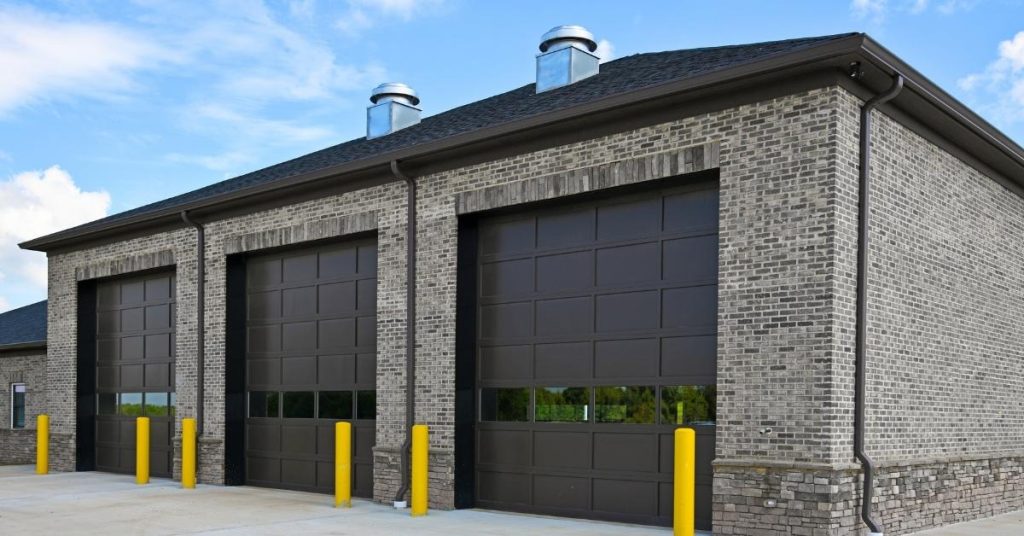
For restaurant owners in need of high-quality, durable, and efficient solutions, consider exploring commercial doors for restaurants. Partnering with a reliable service provider ensures that doors meet both operational and safety standards while complementing the restaurant’s overall design.
Enhancing Customer Experience with Quality Doors
Commercial doors not only serve functional purposes but also contribute to the overall ambiance of a restaurant. A well-designed entrance door creates a welcoming first impression, while interior doors facilitate smooth workflow and privacy. Glass doors with clear visibility can enhance natural light and provide a sense of openness, whereas solid doors can offer privacy for staff areas and storage spaces.
Choosing the right commercial doors for restaurants balances aesthetics, functionality, and safety. By prioritizing durability, energy efficiency, and design, restaurant owners can create an environment that supports both operational efficiency and customer satisfaction.
Emergency Preparedness and Compliance
Restaurants must adhere to safety regulations and emergency preparedness guidelines. Properly installed fire-rated doors, clear evacuation routes, and accessible exits are essential components of compliance. Commercial doors designed with emergency features such as panic bars and automatic closers ensure that staff and customers can respond quickly in critical situations.
Regular inspections and staff training on door operation enhance safety measures, ensuring the restaurant is prepared for emergencies while maintaining a welcoming environment for patrons.
Trends in Commercial Door Design for Restaurants
Modern restaurants are increasingly adopting innovative door designs that combine functionality with style. Some emerging trends include:
- Smart doors: Integrated with sensors and access controls for automated operation.
- Eco-friendly materials: Sustainable materials that reduce environmental impact.
- Custom finishes: Doors with branding elements or unique textures to match the restaurant’s theme.
- Noise-reducing doors: Ideal for maintaining a quiet dining environment, particularly in open-concept kitchens.
These trends reflect the growing demand for commercial doors that do more than just serve as entry points—they enhance efficiency, safety, and the overall dining experience.
Conclusion
Investing in the right commercial doors for restaurants is a decision that impacts safety, efficiency, and customer satisfaction. By considering durability, safety features, energy efficiency, and professional installation, restaurant owners can select doors that support daily operations and create a positive impression. Reliable suppliers, such as commercial doors for restaurants, offer a range of options tailored to meet the specific needs of each establishment.
Ultimately, high-quality commercial doors are an essential component of a successful restaurant, combining functionality, safety, and aesthetic appeal to enhance both operations and customer experience.