Learning the Basics of Coin Collecting for Long Term Enjoyment
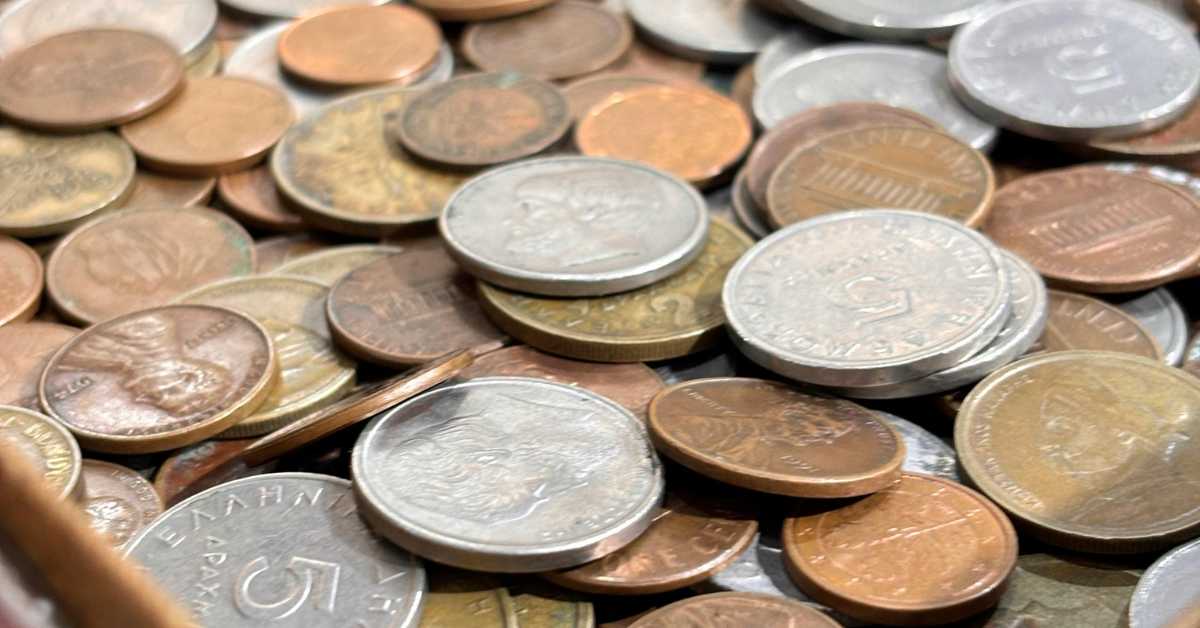
Coin collecting has become one of the most rewarding hobbies for people interested in history, art, culture, and long-term investment opportunities. Many collectors begin with simple curiosity after discovering unusual coins in pocket change or inherited collections from family members. Over time, that curiosity often develops into a deeper appreciation for rare designs, historical significance, and the craftsmanship involved in coin production. Coin collecting also offers educational benefits because it encourages research into historical events, economic systems, and global cultures. Some collectors focus purely on enjoyment, while others pursue collections with long-term financial value in mind. Regardless of motivation, beginners benefit greatly from learning proper collecting techniques and market fundamentals early in the process. Understanding grading, storage, authenticity, and budgeting helps collectors avoid common mistakes while building meaningful and valuable collections over time.
Why Coin Collecting Remains Popular Across Generations
Coin collecting continues attracting people of all ages because it combines education, history, and personal enjoyment within a single hobby. Unlike many modern hobbies that depend heavily on digital technology, coin collecting offers tangible interaction with historical artifacts and artistic designs. Each coin tells a story about the culture, economy, and political environment in which it was created. Collectors often develop emotional connections to coins associated with significant historical periods or personal memories. The hobby also encourages patience, organization, and research skills, making it intellectually rewarding as well as entertaining. Some individuals enjoy searching for rare varieties, while others focus on complete date sets or international collections. The flexibility of coin collecting allows participants to pursue different interests according to personal preferences and budgets. This broad appeal explains why the hobby continues thriving among both experienced collectors and curious beginners worldwide.
Understanding the Difference Between Collecting and Investing
Although coin collecting and coin investing often overlap, they involve different priorities and expectations. Collectors usually focus on historical interest, artistic beauty, rarity, and personal satisfaction when selecting coins. Investors, however, tend to prioritize market value, liquidity, and long-term appreciation potential. Some rare coins successfully combine both characteristics, making them attractive to collectors and investors simultaneously. Beginners should understand these distinctions before spending significant amounts of money on collectible coins. A collection built purely for enjoyment may not necessarily produce strong financial returns, while investment-focused purchases may lack personal or historical appeal. Balancing both perspectives often creates the most rewarding experience because collectors can enjoy the hobby while remaining financially responsible. Learning market fundamentals and understanding personal goals helps beginners make informed decisions while developing collections aligned with their interests and long-term expectations.
Choosing a Focus for a Coin Collection
One of the first decisions new collectors face involves selecting a collecting focus that matches their interests and budget. Some collectors concentrate on coins from specific countries, while others prefer certain historical periods, denominations, or minting styles. Popular collecting themes include silver coins, commemorative issues, ancient currency, and error coins with unusual production mistakes. Choosing a focused approach helps beginners avoid becoming overwhelmed by the enormous variety of available coins. A clear collecting direction also improves budgeting and research efficiency because collectors can study specific markets and historical backgrounds more deeply. Personal interest should remain the primary factor when selecting a collecting theme because long-term enjoyment encourages continued learning and participation within the hobby. Starting with manageable goals allows beginners to build confidence gradually while developing valuable knowledge about coin grading, market trends, and collecting strategies.
Essential Tools Every Beginner Collector Should Own
Successful coin collecting requires more than simply purchasing coins because proper handling and organization are essential for preserving long-term value. Beginners should invest in several basic tools that help protect collections from damage and contamination. Soft cotton gloves prevent oils from fingers from affecting coin surfaces, while magnifying glasses assist with examining details and identifying mint marks or potential errors. Coin albums and protective holders help organize collections while reducing exposure to moisture, dust, and scratches. Digital scales and calipers can also assist with identifying counterfeit coins by verifying weight and dimensions accurately. Reference books and online databases provide valuable educational information regarding grading standards, pricing trends, and historical backgrounds. Building a collection with proper equipment demonstrates professionalism and care while helping collectors maintain the condition and value of their coins over time.
Learning Coin Grading Basics
Coin grading is one of the most important skills collectors can develop because condition strongly influences market value and collector demand. Grading systems evaluate factors such as surface preservation, strike quality, luster, and overall appearance. Coins in excellent condition generally command higher prices because they are rarer and more visually appealing than heavily worn examples. Beginners often start by learning broad grading categories ranging from heavily circulated coins to uncirculated mint-state specimens. Understanding grading terminology helps collectors communicate effectively with dealers and other hobbyists while avoiding overpayment for lower-quality coins. Professional grading services also provide certification and authentication for valuable pieces, increasing buyer confidence within the market. Developing grading knowledge takes time and practice, but it significantly improves collecting decisions and helps beginners build stronger, more valuable collections over the long term.
The Importance of Research Before Buying Coins
Research plays a critical role in successful coin collecting because informed decisions reduce the risk of overpaying or purchasing counterfeit items. Beginners should study pricing guides, historical backgrounds, mintage figures, and grading standards before making significant purchases. Understanding market demand helps collectors identify coins with stronger long-term interest and potential appreciation. Educational resources discussing how to start coin collecting provide valuable insights into beginner-friendly strategies, budgeting techniques, and collecting fundamentals. Research also helps collectors recognize common scams and unrealistic pricing claims within online marketplaces. Learning about coin production methods, historical events, and minting variations deepens appreciation for the hobby while improving purchasing confidence. Consistent education encourages disciplined collecting habits and supports better long-term outcomes for beginners building meaningful and financially responsible collections.
Understanding Coin Mint Marks and Production Details
Mint marks are small letters or symbols placed on coins to identify the facility where they were produced. These markings often influence rarity and collector demand because certain mints produced fewer coins than others during specific years. Collectors frequently study mint mark variations to complete date-and-mint collections or identify scarce issues with higher market value. Understanding production details such as metal composition, design changes, and minting techniques also helps collectors evaluate coins more accurately. Historical events occasionally affected coin production, creating rare varieties and errors that attract significant interest among hobbyists. Beginners who learn to recognize mint marks and production characteristics gain valuable skills that improve collecting decisions and market awareness. Careful attention to these details transforms coin collecting from casual accumulation into a more informed and rewarding educational experience.
Building a Collection on a Realistic Budget
Many beginners assume coin collecting requires large amounts of money, but the hobby can be enjoyed successfully at almost any budget level. Starting with affordable coins allows collectors to learn grading, organization, and market fundamentals without significant financial risk. Gradual accumulation often produces stronger long-term results because collectors gain experience before pursuing expensive purchases. Setting monthly spending limits helps maintain financial discipline while preventing impulsive buying decisions. Some collectors focus on circulating coins or modern commemoratives because they offer affordable entry points into the hobby. Others search for undervalued pieces at local shops, estate sales, or coin shows. Budget-conscious collecting encourages patience and careful research, both of which are valuable skills within the numismatic community. A realistic financial approach ensures that coin collecting remains enjoyable and sustainable over many years.
Why Coin Authentication Matters
Authentication is extremely important within coin collecting because counterfeit coins continue appearing in both online and physical marketplaces. Valuable coins are especially vulnerable to sophisticated counterfeiting techniques designed to deceive inexperienced buyers. Collectors should purchase coins from reputable dealers who provide transparent descriptions and clear return policies. Professional authentication services verify a coin’s legitimacy and condition, increasing confidence for both buyers and future resale transactions. Beginners should also learn basic identification methods such as checking weight, dimensions, edge details, and design consistency. Educational research discussing counterfeit detection can significantly reduce purchasing risks. Developing authentication knowledge helps collectors protect their investments while maintaining trust within the hobby. Confidence in authenticity also improves resale opportunities because verified coins are generally easier to trade within established numismatic markets and dealer networks.
Proper Coin Storage and Preservation Techniques
Proper storage is essential for maintaining the appearance and value of collectible coins over time. Exposure to moisture, humidity, oils, and harsh environmental conditions can damage surfaces permanently and reduce market value significantly. Collectors should use acid-free holders, albums, or protective capsules specifically designed for coin preservation. Coins should never be cleaned aggressively because improper cleaning often causes irreversible surface damage that lowers collector demand. Temperature-controlled environments with low humidity levels provide ideal long-term storage conditions. Some collectors also use silica gel packs or secure safes to improve protection against environmental damage and theft. Organized storage systems help collectors track inventory while preventing accidental scratches or contamination. Understanding preservation techniques ensures that collections remain visually appealing and financially valuable for future generations of collectors and investors.
Learning About Rare Coins and Key Dates
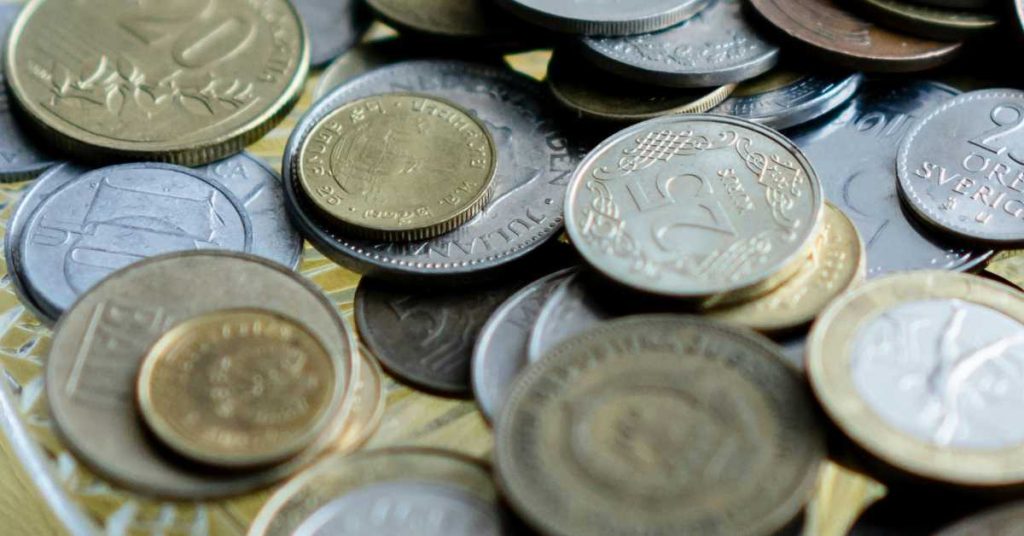
Rare coins and key dates often become central goals for serious collectors because limited availability increases demand and long-term value. Key dates usually refer to coins produced in low quantities or under unusual historical circumstances. These pieces often command strong premiums because collectors need them to complete popular series or date sets. Beginners should research rarity carefully because low mintage alone does not always guarantee high value. Condition, collector demand, and historical significance also influence market prices significantly. Learning about key dates encourages deeper understanding of coin history and market behavior. Some collectors enjoy the challenge of gradually locating difficult coins over many years. Patience and research are especially important when pursuing rare coins because market prices can fluctuate based on demand, grading trends, and broader economic conditions.
The Role of Coin Shows and Local Dealers
Coin shows and local dealers provide valuable opportunities for beginners to learn directly from experienced collectors and professionals within the numismatic community. Attending coin shows allows collectors to examine coins in person, compare prices, and ask questions about grading, rarity, and market trends. Dealers often share educational insights that help beginners improve their collecting knowledge and purchasing confidence. Building relationships with trustworthy dealers also creates access to reliable inventory and future collecting opportunities. Coin shows frequently include seminars, exhibits, and networking events that encourage community participation and continued learning. Beginners benefit from observing how experienced collectors evaluate coins and negotiate transactions. Participating in local collecting communities helps develop practical skills while making the hobby more enjoyable and socially engaging over time.
Online Coin Collecting Communities and Resources
The internet has transformed coin collecting by making educational resources and global marketplaces more accessible than ever before. Online forums, social media groups, and collector websites allow hobbyists to share knowledge, discuss market trends, and seek advice regarding specific coins. Beginners can learn grading techniques, authentication methods, and historical information through videos, articles, and virtual discussions with experienced collectors. Online marketplaces also provide access to coins that may be difficult to locate locally. However, collectors should exercise caution when purchasing coins online because counterfeit risks and misleading listings remain common concerns. Researching seller reputations and comparing prices across multiple sources helps reduce potential problems. Digital communities support continuous learning while connecting collectors from different regions who share similar interests and collecting goals.
Understanding Numismatic Value Versus Metal Value
Coins may possess value based on precious metal content, collector demand, or a combination of both factors. Bullion coins primarily derive value from gold or silver content, while numismatic coins often carry additional premiums related to rarity, condition, and historical significance. Beginners should understand these distinctions before making purchases because numismatic pricing can be more complex and subjective than bullion valuation. Some coins with relatively small metal content may command extremely high prices due to scarcity or collector interest. Conversely, heavily circulated coins may trade primarily based on intrinsic metal value. Learning how these pricing structures work helps collectors evaluate opportunities more effectively while avoiding unrealistic expectations. Understanding both numismatic and bullion markets creates a stronger foundation for long-term collecting success and informed financial decision-making.
Avoiding Common Beginner Mistakes
New collectors often make avoidable mistakes that can reduce enjoyment or create unnecessary financial losses within the hobby. Impulsive buying without research frequently leads to overpaying for common coins or purchasing counterfeit items. Improper cleaning is another common error because harsh cleaning methods permanently damage coin surfaces and reduce collector value significantly. Some beginners also attempt to collect too many different series simultaneously, creating confusion and budget problems. Focusing on a specific collecting goal helps maintain organization and financial discipline. Learning grading standards gradually reduces the risk of unrealistic expectations regarding coin condition and market value. Seeking advice from experienced collectors and reputable dealers also improves decision-making. Avoiding these common mistakes helps beginners build stronger collections while developing confidence and long-term appreciation for the hobby.
Coin Collecting as a Long Term Educational Hobby
Coin collecting offers lifelong educational benefits because it encourages continuous learning about history, economics, politics, and art. Each coin reflects aspects of the society that produced it, providing insights into cultural values, technological developments, and historical events. Collectors often deepen their understanding of world history while researching coin origins and production methods. The hobby also teaches patience, organization, and analytical thinking through grading, authentication, and market evaluation activities. Many collectors enjoy sharing knowledge with younger generations, making coin collecting a valuable family tradition as well. Educational growth often becomes just as rewarding as acquiring rare or valuable pieces. This intellectual aspect contributes significantly to the enduring popularity of numismatics across different age groups and cultural backgrounds worldwide.
The Influence of Precious Metals on Coin Collecting
Precious metals such as gold and silver play major roles within coin collecting because they combine historical significance with intrinsic material value. Many collectors appreciate silver and gold coins for both their artistic appeal and bullion content. Economic uncertainty often increases interest in precious metal coins because they may serve as stores of value during inflationary periods. Understanding bullion pricing helps collectors evaluate market premiums and investment potential more effectively. Some collectors focus exclusively on silver dollars, gold commemoratives, or historical bullion issues due to their strong market demand and long-term appeal. Precious metal coins also attract investors who may later become dedicated numismatists after developing interest in historical and collectible aspects of the hobby. This connection between bullion and numismatics contributes to the continued growth and diversity of the coin collecting community.
Trusted Educational Resources for Collectors
Reliable educational resources are essential for collectors seeking long-term success and confidence within the hobby. Professional organizations, auction archives, and historical databases provide valuable information regarding pricing, grading standards, and market trends. Resources such as American Numismatic Association educational programs help beginners learn about authentication, preservation, and responsible collecting practices. Reading books, attending seminars, and participating in collector forums further strengthen numismatic knowledge. Continuous education allows collectors to adapt to changing market conditions while improving purchasing and preservation decisions. Trusted resources also reduce the risk of misinformation and fraudulent transactions. A strong commitment to learning encourages disciplined collecting habits and supports more meaningful long-term experiences within the coin collecting community.
The Future of Coin Collecting in a Digital World
Coin collecting continues evolving alongside digital technology while maintaining its traditional appeal among hobbyists worldwide. Online marketplaces, virtual auctions, and educational platforms have expanded access to coins and collecting information significantly. Younger collectors are increasingly discovering the hobby through social media, video content, and digital communities focused on numismatics. Despite technological advancements, physical coins remain attractive because they provide tangible connections to history and culture. Collectors continue valuing the experience of holding and studying real historical artifacts in an increasingly digital society. The future of coin collecting will likely combine traditional practices with modern technology, creating new opportunities for education, trading, and global collaboration. As interest in history, precious metals, and tangible assets continues growing, coin collecting is expected to remain a rewarding and intellectually engaging hobby for future generations.