
How Intelligent Camping Technology Is Changing Outdoor Adventures
The Rising Demand for Smarter Camping Experiences
Camping has evolved far beyond traditional outdoor survival methods because modern travelers increasingly seek comfort, convenience, and advanced functionality during wilderness adventures. Outdoor enthusiasts now expect technology to improve travel experiences without reducing the excitement of exploring natural environments. This growing demand has encouraged manufacturers to develop intelligent camping solutions that combine modern innovation with reliable outdoor protection. Travelers today appreciate equipment that saves time, improves safety, and enhances overall convenience during trips into forests, mountains, deserts, and remote camping destinations.
Many people who once avoided camping because of discomfort or complicated equipment now feel more confident participating in outdoor activities. Advanced shelter systems and portable technologies simplify tasks that previously required extensive preparation and experience. Improved accessibility has expanded the camping community, attracting families, digital nomads, solo travelers, and adventure seekers interested in combining modern convenience with natural exploration. Smart outdoor living has therefore become one of the fastest growing trends within the global outdoor recreation industry.
The Transformation of Traditional Camping Shelters
Traditional camping shelters focused primarily on providing basic protection from rain, wind, and sunlight without offering much convenience or adaptability. Older designs often lacked ventilation, interior organization, and weather management systems that modern travelers now consider essential. Campers frequently struggled with difficult assembly procedures, poor insulation, and limited functionality during extended outdoor trips. These limitations made wilderness travel physically exhausting and uncomfortable for many individuals.
Modern intelligent shelters now solve many of these challenges through innovative engineering and integrated technology. Lightweight materials, automated systems, and climate management features have dramatically improved outdoor comfort and usability. Travelers can now experience better airflow, improved weather resistance, and more efficient space organization while carrying less weight than previous generations of camping equipment required. These improvements continue attracting more people toward outdoor adventures because technology reduces many of the frustrations historically associated with traditional camping experiences.
Why Technology Matters in Outdoor Recreation
Technology plays an increasingly important role in outdoor recreation because modern travelers prioritize efficiency, safety, and convenience during their adventures. Portable energy systems, environmental monitoring devices, and intelligent shelter controls now allow campers to manage outdoor conditions more effectively than ever before. These innovations help travelers stay connected, powered, and informed while exploring remote locations far from urban infrastructure.
Many outdoor enthusiasts appreciate intelligent systems because they reduce uncertainty during unpredictable environmental conditions. Smart equipment can monitor temperature changes, humidity levels, battery capacity, and weather conditions in real time, allowing travelers to make safer decisions throughout their journeys. Technology also improves organization by simplifying campsite setup and reducing unnecessary equipment management. As innovation continues advancing, outdoor recreation will likely become even more accessible and enjoyable for individuals with varying levels of camping experience and physical ability.
The Emergence of Intelligent Shelter Systems
The development of intelligent shelter systems represents one of the most significant changes in modern camping culture. Manufacturers now design shelters equipped with automated lighting, climate regulation, mobile charging systems, and weather monitoring capabilities that create more comfortable and efficient outdoor living environments. These features allow campers to enjoy advanced convenience while still maintaining a strong connection with nature and outdoor exploration.
Outdoor enthusiasts interested in advanced camping technology often research modern Smart tent solutions because these products combine durable shelter protection with innovative electronic systems designed for contemporary travel needs. Intelligent shelter systems help simplify campsite management while improving energy efficiency and environmental adaptability. Travelers can therefore focus more on relaxation, exploration, and recreation instead of spending excessive time solving logistical challenges during outdoor adventures.
Lightweight Innovation and Travel Efficiency
Weight reduction remains one of the most important priorities for outdoor travelers because heavy equipment can quickly reduce energy levels during hiking and wilderness expeditions. Modern intelligent camping products now combine advanced functionality with lightweight construction methods that improve portability without sacrificing performance or durability. Manufacturers use high strength synthetic materials and compact electronic components to create efficient products suitable for long distance travel.
Lightweight innovation benefits backpackers, climbers, cyclists, and solo travelers who must carry equipment across demanding terrain for extended periods. Portable energy systems, compact sensors, and collapsible structures help reduce unnecessary physical strain while maintaining reliable outdoor functionality. Travelers can now transport more useful technology without dramatically increasing backpack weight. This balance between portability and performance has become a major factor driving consumer interest in advanced outdoor equipment and modern intelligent shelter systems.
Weather Monitoring and Environmental Awareness
Weather conditions can change rapidly in outdoor environments, especially in mountainous, coastal, or forested regions where environmental unpredictability presents serious challenges for campers. Intelligent monitoring systems now help travelers track temperature fluctuations, wind conditions, humidity levels, and approaching storms in real time. Access to accurate environmental information allows campers to make safer decisions regarding shelter placement, hiking schedules, and emergency preparation.
Advanced outdoor technology can also help reduce unnecessary risk during severe weather situations by providing early alerts and environmental data through mobile integration systems. Travelers who explore remote destinations particularly benefit from reliable monitoring tools because access to traditional communication infrastructure may be limited. Improved environmental awareness not only increases safety but also enhances overall confidence during wilderness travel. As monitoring technology becomes more advanced, campers will likely gain even greater ability to adapt quickly to changing outdoor conditions.
Sustainable Technology and Eco Friendly Innovation
Environmental sustainability has become an important focus within the outdoor recreation industry because many travelers want to minimize their ecological impact while exploring natural landscapes. Intelligent camping technology now increasingly incorporates renewable energy systems, recyclable materials, and energy efficient components that reduce dependence on disposable power sources and environmentally harmful manufacturing practices.
Solar charging systems have become especially popular because they allow campers to generate electricity without fuel consumption or excessive battery waste. Efficient energy management systems also help travelers reduce unnecessary power usage during outdoor trips. Manufacturers continue investing in sustainable product development because environmentally conscious consumers increasingly prioritize responsible purchasing decisions. Sustainable technology therefore represents both an environmental improvement and a long term market trend shaping the future of outdoor recreation equipment.
Digital Connectivity in Remote Locations
Many modern travelers prefer maintaining some level of digital connectivity even while exploring remote natural environments. Intelligent outdoor systems now support communication devices, satellite connectivity, and portable internet solutions that help campers remain informed and reachable during extended adventures. This connectivity becomes particularly valuable for emergency communication, navigation, and weather monitoring in isolated regions.
Digital access also allows remote workers and traveling professionals to combine outdoor exploration with flexible work lifestyles. Portable power systems and efficient connectivity tools make it possible to work temporarily from campsites without sacrificing productivity. However, many travelers still seek a balanced approach that allows technological convenience without overwhelming the peaceful atmosphere of nature. Intelligent camping solutions therefore aim to support practical communication needs while preserving the relaxing and immersive qualities of outdoor travel experiences.
Interior Comfort and Climate Control
Comfort has become one of the defining priorities of modern camping equipment because travelers increasingly expect better living conditions during outdoor adventures. Intelligent shelter systems now include climate management features such as adjustable ventilation, insulation technologies, humidity control, and automated airflow systems that create more stable and comfortable interior environments.
These improvements are especially beneficial during extreme weather conditions where excessive heat, humidity, or cold temperatures can reduce sleep quality and physical recovery. Comfortable living spaces help campers maintain higher energy levels and better mental focus throughout extended trips. Interior lighting systems, organized storage compartments, and ergonomic layouts further improve usability inside modern outdoor shelters. These comfort oriented innovations continue attracting new participants to camping because they make wilderness experiences more accessible and enjoyable for a broader range of travelers.
Faster Setup and Smarter Design Engineering
Complicated equipment assembly has traditionally been one of the most frustrating aspects of camping, especially during poor weather conditions or after exhausting hiking sessions. Intelligent engineering now simplifies campsite setup through automated support systems, quick assembly mechanisms, and modular structural designs that reduce preparation time significantly.
Some modern shelters can deploy within only a few minutes using integrated frame systems and intuitive assembly technology. Faster setup not only improves convenience but also enhances safety by reducing exposure to rain, darkness, or extreme temperatures during campsite preparation. User friendly engineering encourages more beginners to explore outdoor recreation because advanced equipment reduces technical difficulty and uncertainty. As design innovation continues advancing, future camping systems will likely become even easier to transport, assemble, and maintain in challenging environments.
Portable Energy Systems and Power Independence
Reliable energy access has become increasingly important for modern campers who use navigation devices, lighting systems, communication tools, and portable appliances during outdoor adventures. Portable energy systems now allow travelers to remain powered in remote locations without depending entirely on disposable batteries or fuel based generators. Compact solar panels, rechargeable battery stations, and intelligent power management systems have become valuable additions to modern outdoor equipment.
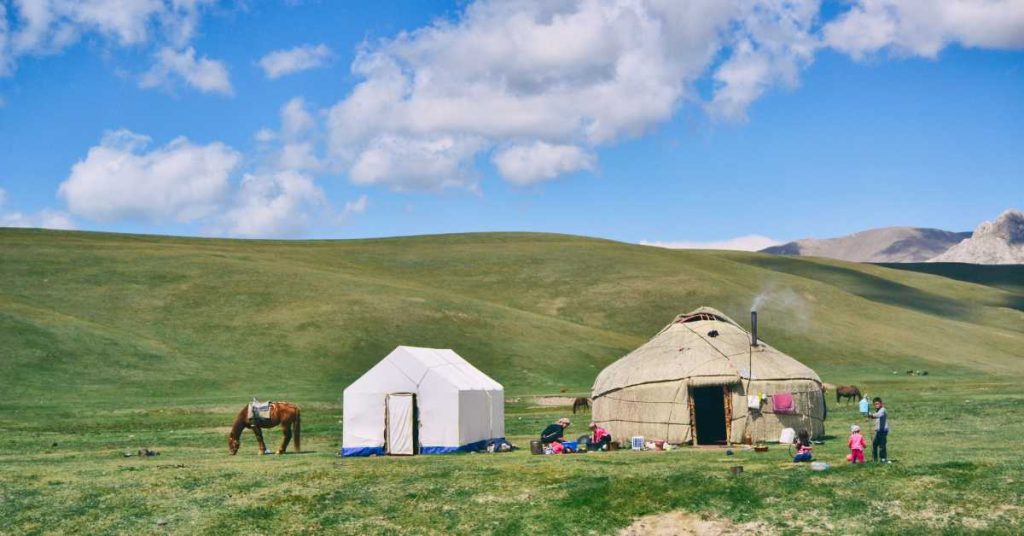
Energy independence improves both convenience and safety because travelers can maintain communication capabilities and emergency equipment functionality during long expeditions. Efficient power systems also support sustainable outdoor practices by reducing fuel consumption and electronic waste. Manufacturers continue improving battery efficiency, charging speed, and portability to meet growing consumer demand for reliable outdoor energy solutions. These developments are transforming camping into a more technologically capable and self sufficient experience for modern travelers.
Smart Lighting and Nighttime Safety
Nighttime visibility plays an important role in outdoor safety because poorly illuminated campsites increase the risk of accidents, navigation errors, and equipment mismanagement after dark. Intelligent lighting systems now provide adjustable brightness levels, motion activation features, and energy efficient illumination that improve nighttime usability without excessive power consumption.
Modern outdoor lighting also enhances comfort by creating more practical living environments during evening activities such as cooking, reading, or campsite organization. Some systems integrate directly into shelter structures, reducing the need for separate lanterns and additional equipment. Efficient nighttime illumination helps travelers feel more secure while navigating unfamiliar outdoor environments after sunset. As lighting technology continues evolving, intelligent systems will likely become even more adaptable and energy efficient for wilderness travel applications.
Safety Innovations and Emergency Preparedness
Outdoor environments present numerous unpredictable risks that require careful preparation and dependable equipment management. Intelligent safety technologies now help travelers respond more effectively to emergencies through environmental alerts, communication support, location tracking, and automated monitoring systems. These features improve preparedness during storms, wildlife encounters, injuries, or navigation challenges in remote areas.
Emergency preparedness technology has become especially valuable for solo travelers and individuals exploring isolated wilderness destinations. Real time environmental data allows campers to make informed decisions regarding evacuation, shelter reinforcement, or route changes during dangerous conditions. Manufacturers increasingly prioritize safety integration because consumer confidence strongly depends on reliable performance during critical situations. Advanced safety technology therefore represents one of the most important benefits of intelligent outdoor living systems.
Adventure Travel and Modern Consumer Expectations
Modern travelers increasingly expect outdoor experiences to combine adventure with convenience and personal comfort. Consumers now seek products that support efficient travel, environmental awareness, and flexible lifestyle preferences while maintaining durability for challenging outdoor conditions. Intelligent camping systems address these expectations by integrating practical technology into traditional outdoor equipment designs.
Adventure tourism has grown rapidly because many individuals now prioritize experiences over material possessions. Travelers seek memorable activities such as mountain hiking, forest exploration, coastal camping, and remote wilderness photography. Advanced outdoor equipment allows these experiences to become more comfortable and accessible without eliminating the excitement of natural exploration. Manufacturers therefore continue investing heavily in innovation to satisfy evolving consumer expectations within the competitive outdoor recreation market.
Family Friendly Smart Camping Solutions
Families increasingly participate in camping because outdoor travel creates opportunities for education, bonding, and recreational activity away from crowded urban environments. Intelligent camping systems now include features specifically designed to support family oriented outdoor experiences, including larger interior spaces, safety monitoring systems, organized storage compartments, and efficient lighting arrangements.
Parents appreciate technology that simplifies campsite management while improving safety for children during overnight outdoor stays. Climate control systems and durable weather protection also help families maintain greater comfort during changing environmental conditions. Family friendly design encourages longer trips and more positive experiences for younger campers who may be unfamiliar with wilderness travel. These innovations continue making outdoor recreation more attractive for families seeking meaningful shared experiences in natural settings.
Solo Travelers and Independent Exploration
Solo adventure travel has become increasingly popular among individuals seeking independence, self reflection, and personal challenge through wilderness exploration. Intelligent outdoor systems provide valuable support for solo campers because they simplify campsite management and improve safety during isolated travel experiences. Automated features reduce physical workload while environmental monitoring systems help travelers respond more effectively to unpredictable conditions.
Compact technology also benefits solo travelers by minimizing equipment weight and simplifying organization during long distance journeys. Individuals exploring remote destinations alone often prioritize reliability and multifunctional equipment that maximizes efficiency within limited carrying capacity. Intelligent outdoor systems therefore play a major role in supporting safe and enjoyable independent adventure travel for modern outdoor enthusiasts.
Smart Storage and Equipment Organization
Efficient organization significantly improves comfort and functionality during outdoor trips because cluttered campsites can quickly become stressful and inefficient. Intelligent shelter systems now incorporate modular storage compartments, hanging systems, and designated equipment zones that help travelers maintain order within limited living space. Organized environments improve both convenience and safety during extended camping adventures.
Proper storage design also protects valuable equipment from moisture, dirt, and accidental damage while improving accessibility during nighttime or emergency situations. Travelers appreciate organized layouts because essential items become easier to locate during unpredictable environmental conditions. Manufacturers continue improving storage solutions to address the growing complexity of modern camping equipment and technological accessories. Effective organization therefore remains a critical aspect of intelligent outdoor living design.
Outdoor Workspaces and Remote Productivity
The rise of remote work culture has encouraged many professionals to combine travel with flexible employment arrangements. Intelligent camping systems now support temporary outdoor workspaces through reliable power access, connectivity solutions, and ergonomic shelter designs that improve productivity during remote travel experiences. Some travelers intentionally seek natural environments as temporary work destinations because outdoor settings can improve creativity and mental relaxation.
Portable technology allows professionals to remain connected while enjoying peaceful landscapes far from crowded offices and urban distractions. Reliable shelter systems also help protect electronic devices from weather exposure during outdoor work sessions. As remote work continues expanding globally, outdoor recreation and digital productivity will likely become increasingly interconnected through advanced camping technology and intelligent outdoor living solutions.
Material Innovation and Structural Durability
Modern intelligent shelters rely heavily on advanced materials that provide durability, flexibility, weather resistance, and lightweight portability. High performance synthetic fabrics, reinforced composite structures, and water resistant coatings significantly improve equipment lifespan while maintaining practical usability during difficult environmental conditions.
Durable construction becomes especially important for travelers who frequently explore mountainous regions, coastal environments, or remote wilderness areas where equipment experiences constant stress from wind, moisture, and rough terrain. Manufacturers carefully balance structural strength with portability to create products capable of surviving repeated outdoor use without excessive weight. Continued material innovation will likely produce even stronger and lighter outdoor equipment in the future, further transforming camping efficiency and comfort.
Environmental Adaptability and Multi Climate Performance
Outdoor travelers often encounter widely varying environmental conditions during different adventures, making adaptability an essential characteristic of modern shelter systems. Intelligent camping technology now supports multi climate performance through adjustable ventilation systems, removable insulation layers, and modular weather protection components that improve versatility across diverse environments.
Travelers exploring deserts, forests, mountains, or coastal regions require equipment capable of handling changing temperatures, humidity levels, and wind conditions effectively. Adaptable systems allow campers to modify shelter performance according to environmental demands without purchasing entirely separate equipment for every climate. This flexibility improves long term value while enhancing travel convenience for individuals who frequently explore different outdoor destinations throughout the year.
Educational Value and Outdoor Learning
Camping experiences often provide valuable educational opportunities related to environmental awareness, survival skills, and responsible outdoor behavior. Intelligent technology can support learning by providing environmental data, navigation assistance, and practical safety guidance during wilderness exploration. Families and educational organizations increasingly use outdoor recreation to teach problem solving, teamwork, and ecological responsibility through direct experience.
Outdoor education also encourages greater appreciation for conservation and sustainable living practices. Informational resources such as the National Geographic website help travelers learn more about ecosystems, wildlife, and environmental preservation before beginning outdoor adventures. Educational support combined with intelligent technology creates more informed and responsible outdoor communities that value both exploration and environmental stewardship.
Psychological Benefits of Modern Outdoor Living
Outdoor recreation offers important psychological benefits because natural environments often reduce stress, improve emotional balance, and encourage mental relaxation. Intelligent camping systems support these positive experiences by reducing logistical frustrations and improving overall comfort during wilderness travel. Travelers can therefore focus more completely on relaxation, reflection, and meaningful connection with natural surroundings.
Comfortable living conditions also improve sleep quality and physical recovery, which contribute significantly to emotional well being during extended outdoor trips. Many individuals use camping as an opportunity to disconnect temporarily from crowded urban environments and constant digital distractions. Intelligent outdoor technology aims to support this balance by enhancing practical convenience without overwhelming the peaceful qualities of natural exploration.
Future Innovations in Intelligent Outdoor Living
The future of intelligent outdoor living will likely involve even greater integration between technology, sustainability, and adaptive design. Researchers continue developing advanced fabrics, renewable energy systems, and environmental monitoring tools capable of improving outdoor comfort and safety while reducing ecological impact. Artificial intelligence may eventually assist with climate management, energy optimization, and environmental risk prediction during camping adventures.
Future outdoor shelters could also feature modular customization systems that allow travelers to adapt equipment configurations according to terrain, weather, and group size. Lightweight energy storage technology and improved renewable power generation will likely further increase self sufficiency during remote expeditions. These ongoing innovations suggest that outdoor recreation will continue evolving into a more comfortable, efficient, and environmentally responsible activity for future generations.
Why Smart Outdoor Technology Continues Expanding
The growing popularity of intelligent outdoor systems reflects broader lifestyle changes within modern society. Travelers increasingly seek experiences that combine freedom, convenience, sustainability, and personal well being without sacrificing comfort or safety. Advanced camping technology addresses these priorities by making wilderness exploration more practical and accessible for diverse groups of people with different travel goals and experience levels.
Manufacturers continue expanding intelligent product development because consumer demand consistently increases for multifunctional, durable, and environmentally conscious outdoor equipment. As technological innovation accelerates, camping experiences will likely become even more personalized and adaptable to individual preferences. Intelligent outdoor living therefore represents not only a trend within recreation but also an important transformation in how people interact with natural environments during travel and adventure experiences.
The Lasting Future of Smart Camping
Smart camping technology has permanently changed the outdoor recreation industry by combining traditional wilderness exploration with modern innovation and convenience. Intelligent shelter systems, renewable energy solutions, advanced safety features, and efficient design engineering now allow travelers to enjoy more comfortable and secure outdoor experiences than ever before. These advancements continue encouraging broader participation in camping and adventure travel worldwide.
Despite rapid technological progress, the core appeal of camping remains deeply connected to nature, relaxation, and personal discovery. Intelligent systems simply help remove unnecessary difficulties that once prevented many people from fully enjoying outdoor exploration. As future innovations continue improving sustainability, adaptability, and efficiency, smart outdoor living will likely become an even more important part of modern travel culture for adventurers across the world.