Construction Company New Zealand: Delivering Excellence in Modern Building Solutions
New Zealand’s construction industry plays a vital role in shaping the nation’s infrastructure, residential communities, and commercial developments. From modern homes and office buildings to large-scale infrastructure projects, the demand for a reliable Construction Company New Zealand continues to grow. As cities expand and property development increases, professional construction companies are essential for delivering projects that meet high standards of safety, durability, and design.
A construction company provides much more than labor and materials. These organizations coordinate architects, engineers, contractors, and project managers to transform concepts into functional structures. Their expertise ensures that every building project complies with national regulations while maintaining efficiency, structural integrity, and long-term value.
The Role of Construction Companies in New Zealand’s Development
Construction companies are responsible for turning architectural plans into real-world structures that serve communities and businesses. Their work spans multiple sectors, including residential housing, commercial developments, industrial facilities, and infrastructure projects.
In New Zealand, construction companies must adhere to strict building codes and environmental regulations. These standards ensure that buildings are safe, energy-efficient, and capable of withstanding the country’s environmental conditions.
Businesses and homeowners often rely on an experienced Construction Company New Zealand to manage the complex process of planning, designing, and constructing modern properties. Professional construction firms provide expertise that ensures projects are completed efficiently and meet the highest industry standards.
Key Services Offered by Construction Companies
A professional construction company provides a wide range of services designed to support building projects from initial planning to final completion.
Residential Construction
Residential construction focuses on building homes, townhouses, and apartment complexes. This service includes custom home construction, renovations, and property extensions.
Builders collaborate closely with homeowners to ensure that the finished property reflects their vision while meeting modern living requirements.
Commercial Construction
Commercial construction involves developing buildings designed for business use. These may include office buildings, retail spaces, restaurants, hotels, and industrial facilities.
Commercial projects often require complex planning and coordination between multiple construction teams to meet operational requirements and safety standards.
Renovations and Remodeling
Renovation projects involve improving or upgrading existing structures. Homeowners and businesses often renovate properties to modernize their spaces, increase functionality, or enhance property value.
Remodeling services can include kitchen upgrades, office redesigns, structural improvements, and interior transformations.
Project Management
Project management is a critical service offered by construction companies. Managing timelines, budgets, materials, and workforce coordination ensures that projects remain organized and efficient.
Professional project managers oversee every stage of construction, ensuring that tasks are completed on schedule and within budget.
The Construction Process Explained
Understanding the construction process helps property owners and investors make informed decisions during their building projects.
Initial Consultation and Planning
The construction process begins with discussions between the client and the construction company. During this stage, project goals, budgets, and timelines are defined.
Architects and designers develop initial plans that outline the structure, layout, and design features of the building.
Design Development and Engineering
Once the project concept is finalized, detailed architectural drawings and engineering plans are prepared. These plans include structural designs, electrical systems, plumbing layouts, and mechanical components.
Accurate planning at this stage ensures that construction proceeds smoothly without unexpected complications.
Permits and Regulatory Approval
Before construction begins, projects must receive approval from local authorities. New Zealand has strict building regulations that ensure safety, environmental sustainability, and proper land use.
Construction companies assist clients in obtaining necessary permits and ensuring compliance with all regulatory requirements.
Construction and Structural Work
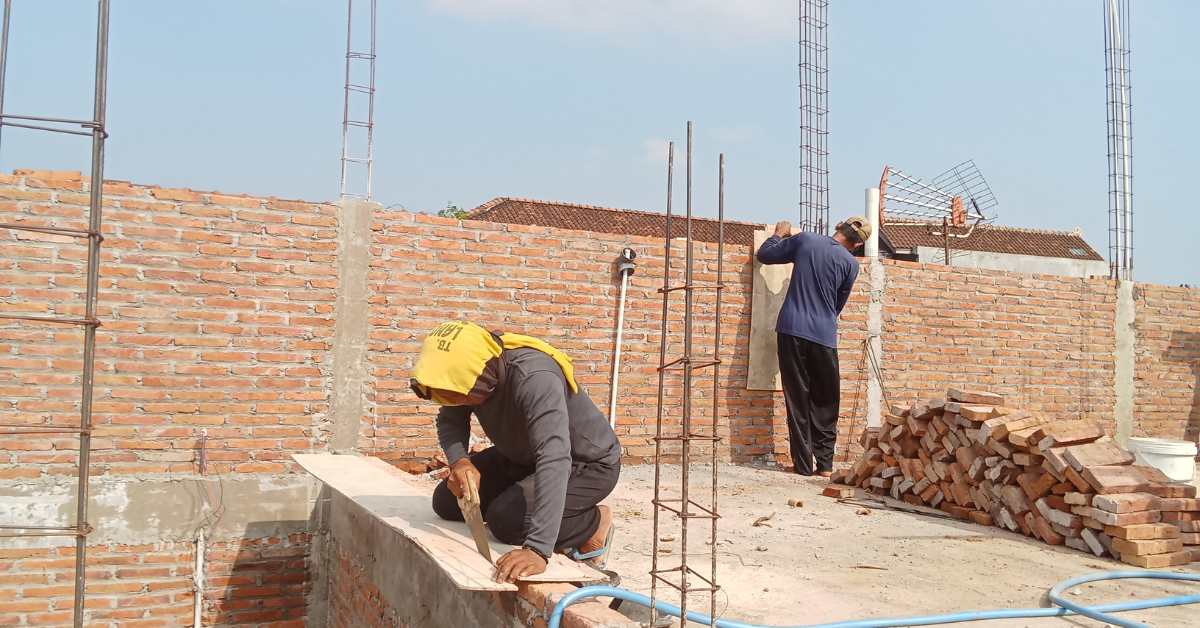
The construction phase involves site preparation, foundation work, framing, roofing, and installation of structural components. Skilled tradespeople such as electricians, plumbers, and carpenters work together to build the structure according to the approved design plans.
Effective coordination during this stage ensures high-quality workmanship and efficient progress.
Final Inspection and Project Completion
Once construction is complete, the building undergoes final inspections to confirm compliance with safety and quality standards. After approval, the property is ready for occupancy or business operations.
Qualities of a Reliable Construction Company
Selecting the right construction company is essential for the success of any building project. A reliable construction partner ensures that the project is completed efficiently while maintaining high-quality standards.
Several qualities define a trustworthy construction company:
- Extensive industry experience
- Skilled and licensed professionals
- Transparent communication with clients
- Strong project management capabilities
- Commitment to safety and compliance
Working with an established Construction Company New Zealand helps property owners avoid costly mistakes and ensures that their construction projects achieve the desired results.
Modern Construction Trends in New Zealand
The construction industry in New Zealand continues to evolve with new technologies and sustainable building practices. These trends are influencing how homes and commercial properties are designed and built.
Sustainable Building Practices
Sustainability is becoming a major focus in construction projects across New Zealand. Builders are incorporating environmentally friendly materials, energy-efficient systems, and waste reduction practices.
Sustainable construction features often include:
- Solar energy systems
- High-performance insulation
- Water-saving plumbing systems
- Energy-efficient windows and lighting
These improvements help reduce environmental impact while lowering long-term operating costs.
Smart Building Technology
Smart technology is becoming increasingly common in modern construction. Buildings are now equipped with automated systems that control lighting, security, heating, and cooling.
These technologies enhance convenience, improve energy efficiency, and create comfortable living and working environments.
Modular and Prefabricated Construction
Prefabricated construction methods are gaining popularity due to their efficiency and cost-effectiveness. Building components are manufactured off-site and assembled at the construction site, reducing construction time and material waste.
This approach is particularly beneficial for residential developments and commercial projects with tight deadlines.
Cost Factors in Construction Projects
The cost of construction projects in New Zealand can vary significantly depending on several factors.
| Cost Factor | Description |
|---|---|
| Project size | Larger projects require more materials and labor |
| Design complexity | Unique architectural features increase costs |
| Construction materials | High-quality materials improve durability but increase expenses |
| Labor requirements | Skilled professionals influence total project cost |
| Location | Accessibility and land conditions affect construction expenses |
Proper financial planning helps ensure that projects remain within budget while maintaining construction quality.
Challenges in the Construction Industry
Despite its growth, the construction industry faces several challenges that must be carefully managed.
Some common challenges include:
- Rising construction material costs
- Skilled labor shortages
- Regulatory compliance requirements
- Project scheduling and coordination
- Environmental sustainability expectations
Professional construction companies address these challenges through strategic planning, efficient resource management, and modern construction technologies.
Importance of Safety in Construction Projects
Safety is a critical priority in construction projects. Construction sites involve heavy equipment, complex structures, and potentially hazardous environments.
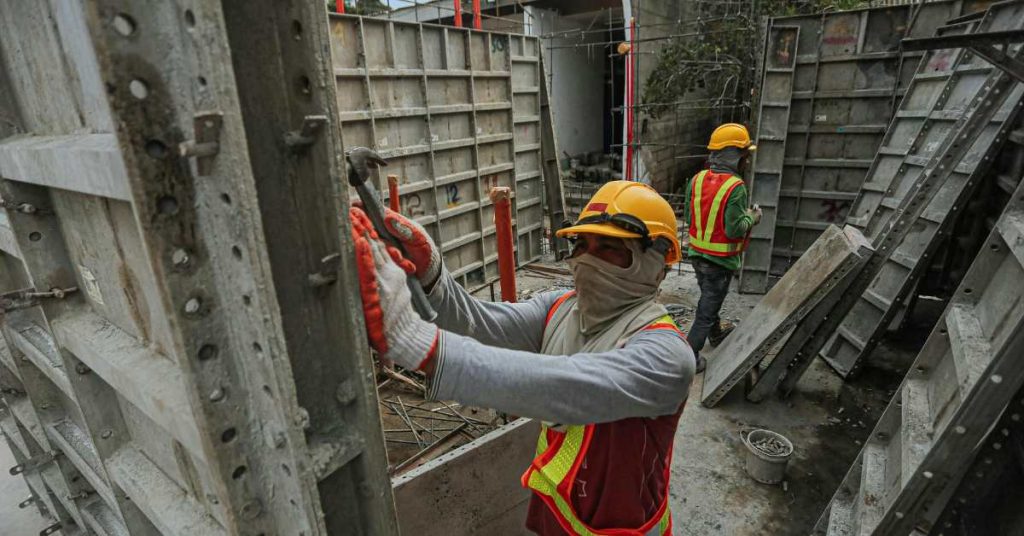
Professional construction companies implement strict safety protocols to protect workers and ensure project stability. These measures include safety training programs, protective equipment, and regular site inspections.
Maintaining high safety standards not only protects workers but also ensures that buildings meet long-term structural safety requirements.
The Future of Construction in New Zealand
The future of construction in New Zealand is being shaped by innovation, sustainability, and advanced technology. Builders are increasingly adopting digital tools, automation, and environmentally responsible practices to improve efficiency and reduce environmental impact.
Urban development, population growth, and economic expansion will continue to drive demand for high-quality construction services across the country. As new housing developments, commercial spaces, and infrastructure projects emerge, construction companies will remain at the center of New Zealand’s growth.
By combining modern building techniques with skilled craftsmanship, construction professionals are helping create structures that support communities, businesses, and future generations. Reliable construction companies will continue to play a vital role in shaping the country’s built environment while maintaining the highest standards of quality and safety.