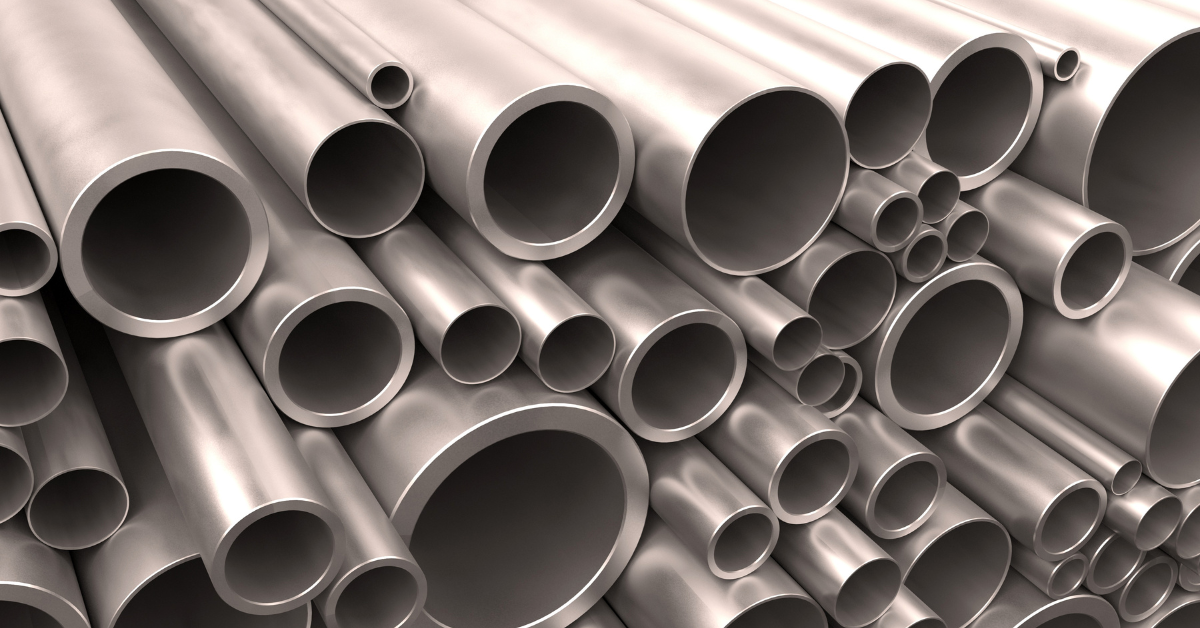
Stainless tube has become one of the most versatile and reliable materials in modern fabrication. From automotive exhaust systems to industrial piping networks, its durability, resistance to corrosion, and adaptability make it a staple for engineers, builders, and performance enthusiasts alike. Among the wide range of materials available today, stainless tube is often the first choice when strength, longevity, and consistent performance are top priorities.
This detailed guide explores the world of stainless tubes, their properties, uses, advantages, manufacturing methods, and role across various industries. For anyone involved in performance fabrication or industrial engineering, understanding stainless tubes is essential to ensure efficiency and durability in every project.
Understanding Stainless Tube
A stainless tube is a hollow, cylindrical product made from stainless steel alloys. It can be produced in both seamless and welded varieties, with applications ranging from exhaust systems and intercoolers to food processing pipelines and aerospace equipment. The strength of stainless tube lies not only in the inherent qualities of stainless steel but also in its ability to be manufactured in multiple grades, diameters, and wall thicknesses to suit specific needs.
The versatility of Stainless Tube comes from its adaptability. It can handle high pressure, extreme temperatures, and corrosive environments, all while maintaining structural integrity and aesthetic appeal.
Key Properties of Stainless Tube
The widespread use of stainless tube is due to a unique combination of properties:
- Corrosion Resistance: Chromium in stainless steel creates a protective oxide layer, resisting rust and corrosion in moisture-heavy or chemical environments.
- Strength: Stainless tube withstands high mechanical stress, making it suitable for demanding applications such as turbocharged exhaust systems.
- Heat Resistance: Unlike aluminum, stainless tube maintains structural integrity under extreme heat, making it ideal for exhaust and industrial boilers.
- Aesthetic Finish: With its polished surface, stainless tube adds visual appeal to both performance builds and architectural designs.
- Longevity: When installed and maintained correctly, stainless tubes can last decades without significant wear.

Types of Stainless Tubes
Stainless tubes are manufactured in different categories to suit specific uses. The most common include:
- Seamless Tubes
- Made by extruding stainless steel without welding.
- Offer higher strength and better pressure resistance.
- Common in hydraulic systems and high-pressure pipelines.
- Welded Tubes
- Formed by rolling and welding stainless steel strips.
- More cost-effective than seamless tubes.
- Widely used in exhaust systems, structural applications, and general piping.
- Round Tubes
- Standard cylindrical form.
- Used in exhaust, intakes, and industrial piping.
- Square and Rectangular Tubes
- Provide structural support in construction and machinery.
- Popular in roll cages, frames, and architectural designs.
Grades of Stainless Tubes
Different grades of stainless steel are used depending on the application:
- 304 Stainless Tube: The most common grade, offering excellent corrosion resistance and formability.
- 316 Stainless Tube: Contains molybdenum, making it more resistant to chloride environments, ideal for marine use.
- 409 Stainless Tube: Cost-effective option for automotive exhaust systems.
- 321 Stainless Tube: Offers stability at high temperatures, often used in aerospace and high-performance engines.
Manufacturing of Stainless Tubes
The process of making stainless tubes varies depending on whether seamless or welded products are being produced:
- Seamless Tube Production: Created by piercing a solid billet of stainless steel and rolling it into shape. This results in a tube without weld seams, making it highly durable under pressure.
- Welded Tube Production: Rolled stainless sheets are welded along the seam. Advanced techniques like TIG (tungsten inert gas) welding ensure strong, consistent seams.
Both processes are followed by finishing techniques such as annealing, pickling, and polishing to improve strength and appearance.
Automotive Applications of Stainless Tubes
The automotive industry relies heavily on stainless tubes, especially in performance fabrication and exhaust systems.
Exhaust Systems
Stainless tubes form the backbone of exhaust systems, carrying hot gases safely out of the engine. They are preferred over mild steel because they resist corrosion and last longer, even in harsh conditions.
Turbo Systems
Turbocharged engines generate immense pressure and heat. Stainless tubes are used to fabricate downpipes, manifolds, and hot-side piping due to their ability to withstand extreme temperatures without deforming.
Roll Cages and Frames
Square and round stainless tubes are often used in race car roll cages and reinforcement bars because of their high strength and safety benefits.
Intake Systems
While aluminum is commonly used for intakes due to its light weight, stainless tubes are chosen in high-stress or high-heat applications where durability takes priority.
Industrial Applications of Stainless Tubes
Beyond automotive engineering, stainless tubes are essential across multiple industries:
- Marine Industry: Stainless tubes resist saltwater corrosion, making them vital for boat exhausts and offshore equipment.
- Food and Beverage Processing: Stainless tubes meet hygiene standards for transporting liquids in breweries, dairies, and beverage plants.
- Aerospace: Used in exhaust systems, cooling lines, and structural components where heat and strength are critical.
- Construction: Structural stainless tubes support buildings, bridges, and architectural designs.
- Energy Industry: Stainless tubes are found in boilers, heat exchangers, and pipelines carrying high-pressure fluids.
Stainless Tube vs. Aluminum Tube
Choosing between stainless and aluminum tubes depends on the project’s priorities.
| Feature | Stainless Tube | Aluminum Tube |
|---|---|---|
| Strength | High | Moderate |
| Weight | Heavy | Very Light |
| Corrosion Resistance | Excellent | Good |
| Heat Resistance | Excellent | Moderate |
| Cost | Higher | Lower |
| Common Applications | Exhaust, marine, aerospace | Intercooler piping, lightweight frames |
While aluminum tubes are popular for intercooler and intake piping due to their lightweight nature, stainless tubes are unmatched in strength and resistance, making them the preferred option for high-performance exhaust and industrial applications.
Advantages of Stainless Tube
- Durability: Resistant to rust, heat, and pressure.
- Versatility: Suitable for automotive, industrial, marine, and construction applications.
- Low Maintenance: Requires minimal care compared to other metals.
- Sustainability: 100% recyclable, making it eco-friendly.
- Aesthetic Value: Provides a polished, professional appearance.
Limitations of Stainless Tube
Although stainless tube is a top-tier choice, it has a few limitations:
- Cost: More expensive than aluminum and mild steel.
- Weight: Heavier, which can be a drawback in applications requiring weight reduction.
- Fabrication Difficulty: Requires skilled welding and specialized equipment.
Choosing the Right Stainless Tube
When selecting stainless tubes, several factors must be considered:
- Application: Exhaust systems need heat-resistant grades, while marine applications require salt-resistant alloys.
- Tube Thickness: Thicker tubes handle more pressure but add weight.
- Surface Finish: Polished tubes are better for visible applications, while industrial systems may use unpolished versions.
- Grade Selection: Choose between 304, 316, 321, or 409 based on durability and environment.
- Budget Considerations: Balance initial cost with long-term durability savings.
Case Study: Exhaust System Fabrication
A fabricator building a custom turbo exhaust system must decide between mild steel, aluminum, and stainless. Mild steel offers low cost but corrodes quickly, while aluminum cannot handle extreme exhaust heat. Stainless tubes, though more expensive, provide unmatched durability, corrosion resistance, and performance. In the long run, stainless saves both time and replacement costs, making it the superior choice.
Maintenance of Stainless Tubes
To ensure stainless tubes last decades, follow best practices:
- Clean regularly with non-abrasive solutions.
- Inspect welds for cracks or weaknesses.
- Avoid using carbon steel tools during fabrication to prevent contamination.
- Store in dry conditions before installation.
The Future of Stainless Tubes
With growing demands for durability and sustainability, stainless tubes continue to evolve. Manufacturers are now developing advanced stainless alloys with higher strength-to-weight ratios, opening new possibilities in aerospace, renewable energy, and electric vehicle industries. In automotive performance, stainless tubes remain essential for both combustion engines and hybrid systems that require efficient thermal management.
Final Thoughts
Stainless tube is more than just a structural component—it is a foundation of strength, efficiency, and durability across industries. Its superior resistance to corrosion, ability to withstand extreme heat, and versatility in fabrication make it a vital choice for automotive and industrial engineering alike.
Whether used in exhaust systems, marine environments, or aerospace applications, stainless tubes deliver long-lasting reliability. By selecting the right grade, size, and finish, engineers and fabricators can create systems that perform efficiently, resist wear, and maintain structural integrity for decades.